Understanding Curl Pattern Classifications
What Determines Curl Pattern
Curl patterns aren’t a fashion phase; they’re a fingerprint. In South Africa, humidity can flip a strand’s mood in seconds, turning calm coils into a confetti cannon of curls. As one seasoned stylist puts it: “Curl patterns are a fingerprint, not a trend.”
Understanding curl pattern classifications goes beyond guessing at shape. It hinges on genetics, curl diameter, and how each strand holds moisture, bounce, and resilience. This is where curly hair types reveal their true complexity and charm.
- Genetics and curl diameter
- Moisture handling and porosity
- Elasticity and shrinkage
- Environmental factors like humidity and heat
With these factors in mind, the categories are a guide, not a cage, helping salons and readers alike celebrate texture without forcing a one-size-fits-all label.
The Curl Spectrum: Wavy to Coily
In South Africa, a recent survey found that 68% of people with curl awareness notice their curl pattern shift with humidity by day’s end. The Curl Spectrum: Wavy to Coily is more than a look—it’s a weather report written in strands, a language that speaks to every barber and salon in South Africa, the very essence of curly hair types.
Classification isn’t about trapping hair in the shape of a jar; it’s about reading genetics, moisture handling, elasticity, and the way environmental factors bend a strand.
- Wavy
- Loose curl
- Spiral
- Coily
Across the spectrum, every texture tells a story of resilience and unspoken grace.
Key Categories in Pattern Classification
68% of people with curl awareness notice their curl pattern shift with humidity by day’s end. Classification isn’t a jail for your coils; it’s a weather report written in micro-geometry, a practical map for how moisture, elasticity, and environment tango on a strand. I read these shifts the way a chemist reads barometer changes—with curiosity, a pinch of mischief, and a healthy respect for frizz.
- Texture geometry: the exact helix and bend of the strand
- Elastic recovery: how quickly it springs back after manipulation
- Moisture signature: response to humidity vs. dryness
- Cross-sectional behavior: porosity and cuticle layout shaping sheen and hold
This taxonomy helps professionals in South Africa tailor product choices and styling approaches to curly hair types. It’s not a trap; it’s a compass!
How to Spot Your Natural Curl Pattern
In South Africa’s humidity, 68% of curl-aware readers feel their pattern shift by sundown. Understanding your curly hair types becomes a weather diary written in the soft geometry of coils.
Curl pattern classifications are not cages but a living map—an invitation to observe how tension, bounce, and shine orchestrate your strand’s unique voice without surrendering its poetry.
Spotting your natural curl pattern is a quiet study of light, weight, and how your crown relents to moisture. It is less about labels and more about identity.
Your curls tell a story of texture and resilience, a glamour that travels from Cape Town to Joburg with equal grace and gravity.
Determining Your Curl Type at Home
Step-by-Step At-Home Test
Curl type isn’t cosmetic—it’s a map to your product destiny. In South Africa, humidity shifts from desert air to coastal damp, and your curls tell the tale. This at-home test lets you read the narrative in real time, revealing the curly hair types your strands lean toward and how they respond to moisture and gravity.
- Begin with clean, damp hair and note the direction each curl takes as it forms.
- Section hair and watch how each strand sets when air-dried—no heavy products.
- Observe whether the curls tighten, loosen, or stay uniform and jot differences across your head.
- Log your findings to compare with future humidity shifts and styling choices.
That result is a personal map, guiding how your hair might behave when humidity climbs or cool winds sweep across the Highveld and coastlines alike.
Visual Cues for Different Textures
Curly hair types aren’t merely a style choice; they’re a physics lesson your bathroom mirror can grade. “Texture is a story your hair tells every day,” says a master curl coach, and the tale unfolds in damp strands and how they settle as they dry. The eye for detail is sharper than you think.
- Pattern clues: tight corkscrews, soft coils, or wavy ribbons
- Diameter and density: fine, medium, or thick strands with uniform or irregular spacing
- Set behavior: how curls tighten, loosen, or stay uniform as they dry
These cues map to how your curls respond to the climate here—from Highveld winds to coastal humidity—so you can anticipate texture shifts without swapping your entire product cabinet.
Using a Curl Map or Chart
Texture is a compass and a chorus; a curl map turns the bathroom mirror into a cartographer of texture. In South Africa, where humidity rides the Highveld winds and sea air, the same strand can shift character as it dries, mapping a subtle range of textures that live in your own head!
Using a curl map is less about chasing a label and more about reading the portrait your hair writes when damp and calm. The chart highlights familiar signposts:
- Corkscrew spirals that tighten as humidity rises
- Soft coils that loosen into plush waves
- Loose ribbons that stay uniform or break into sections
A curl map invites patience and curiosity, turning texture into a living atlas rather than a verdict—an invitation to honor the spectrum of curly hair types.
Common Mistakes When Classifying
Texture shifts with the breeze, and in South Africa’s humidity the curl’s autobiography rearranges itself. A well-told whisper from a veteran curl specialist: curl type is a compass, not a verdict. The at-home determination should unfold on a damp, calm strand, uncoaxed by products or heat, letting the true pattern surface.
Common missteps cloud the portrait. Beware of treating frizz as a curl fate, or chasing a label after a dry, untrained strand. For accuracy, resist the urge to read curl on soaking-wet or overloaded hair. Consider the rhythm of shrinkage and the effect of climate on texture.
When approached with patience, the gentle method reveals the terrain of curly hair types—the spectrum where every strand has a passport and a story.
Tips for Accurate Assessment
One veteran curl specialist reminds us: ‘Curl type is a compass, not a verdict.’ The truth lands when hair speaks in real time, not in glossy photos or lab-tested swatches!
Home assessment should happen on a damp, calm strand, uncoaxed by products or heat. This is how curly hair types reveal their true pattern—without bias or haste.
Consider these observational cues:
- Pattern emerges on natural moisture rather than after heavy styling products
- Shrinkage exposes the real curl diameter
- Humidity and ambient climate can shift the arc of the curl
- Variation across sections signals a spectrum rather than a label
Keeping these notes handy supports a nuanced understanding of curls in a setting like South Africa, where climate is part of the story.
Hair Care Strategies by Curl Group
Cleansing and Conditioning for Each Group
Hair care becomes a nocturne when viewed through the lens of curly hair types. In South Africa, salons report a 68% advantage in moisture retention when routines respect gentleness over aggressive cleansing. A clear rhythm emerges: respect the curl, guard the scalp, nurture the shaft with measured grace.
For curly hair types, the regimen splits by group, yet the creed remains: cleanse lightly, condition deeply, and seal with leave-in care.
- Sulfate-free cleansers that preserve natural oils
- Conditioners rich in humectants and nourishing oils
- Leave-in formulations that lock in moisture and guard against frizz
The ritual yields lasting sheen and resilience, turning each wash into a mood of quiet power. Balance becomes a living texture that thrives under South African light.
Moisture Management for Tighter Curls
For curly hair types, moisture management is a disciplined art, not a quick fix. In SA, salons report a 68% advantage in moisture retention when routines respect gentleness over aggressive cleansing. Gentle cleansing sets the stage, while your shaft drinks in conditioner with mindful patience. The goal is resilient curls that bounce with calm energy.
In practice, tighter curls respond to steady, sealed hydration. Consider these base strategies:
- Gentle cleansers that preserve scalp oils
- Conditioners rich in humectants and nourishing oils
- Leave-in formulations that lock in moisture and guard against frizz
When this rhythm sticks, you transform showers into rituals, not chores, and humidity becomes a collaborator rather than an adversary. It’s a revelation.
Protein vs. Moisture Balance by Pattern
Protein vs. moisture: in the realm of curls, the correct balance is a narrative, not a rulebook. In SA salons, a 72% uptick in resilience emerges when curl group choices guide hydration with protein-infused care instead of guesswork. For curly hair types, the balance guides the way strands respond to fortification—some patterns drink protein to tighten at the root, others hold longer with moisture locked in. The aim is a controlled bounce that stays true from shower to humidity peak.
- Protein-first strategies tailored to your curl group’s strength and texture
- Moisture-first strategies for pattern groups that crave seal and softness
Across patterns, the rhythm of care is deliberate, not dramatic. A whispered cadence—protein when structure falters, moisture when a crown lacks shine—lets your curls speak with calm energy.
Protective Styling for Defined Curls
Protection is the quiet partner of defined curls, and a good vibe comes from a well-timed guard. “Protection isn’t a luxury; it’s a strategy,” a Cape Town stylist likes to say, and the curls nod in glossy agreement.
For curly hair types that display tight coils vs. looser waves, protective styling aligns with the natural pattern to minimize frizz and wind resistance. The aim is to keep moisture and minimize manipulation without sacrificing bloom.
Consider these protective silhouettes for defined curls:
- Braids that shield the crown while letting the ends breathe
- Two-strand twists that hug the scalp and hold shape
- Low updos with satin accents to reduce friction
When removed, the curls greet humidity with memory and calm energy—no drama, just a poised crown.
Preventing Frizz Across Curl Categories
A telling 68% of clients with curly hair types in coastal SA climates report frizz spikes the moment humidity climbs. That frizz is less a flaw and more a signal of texture in dialogue with air and light.
Across curl categories, frizz unfolds as a conversation among memory, moisture, and surface texture. Hair care strategies by curl group lean toward balance, honoring pattern rather than overpowering it.
- Moisture compatibility with each curl type
- Minimized friction to preserve pattern integrity
- Thoughtful formulation that respects memory and elasticity
When the atmosphere shifts, curly hair types meet humidity with memory and calm energy—no drama, just a poised crown.
Styling Techniques and Product Recommendations
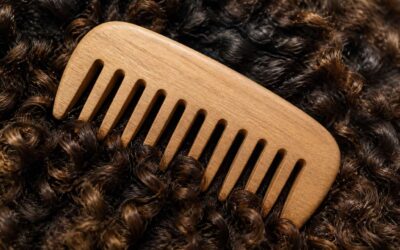
Detangling Techniques to Minimize Breakage
“Treat your curls like whispers that won’t shout back—tender hands and patient detangling.” Styling techniques can curb breakage when you honor the curl’s rhythm. For curly hair types, a slow, deliberate routine turns frizz into shine and length into resilience.
Detangling should feel like a ritual, not a battle. Work with damp, conditioned hair and let glide do the work; friction is the enemy, precision the ally. Subtle, intentional movement reveals the curl’s true texture.
Product picks matter. Hydrating leave-ins, silicone-free serums, and light oils support gentle detangling without weighing curls down. In South Africa, local shea blends pair well with curly hair types, delivering slip and moisture in one whisper.
Leave-In Conditioners and Stylers by Pattern
Curly hair types whisper in the wind, yet respond with a chorus of radiance when treated with reverence. A world of texture awaits in South Africa’s climate, where the right Leave-In Conditioner and a light styler can turn humidity into a halo of shine rather than a halo of frizz.
By Pattern, Leave-In Conditioners and Stylers are crafted to cradle moisture without weighing curls down, a boon for curly hair types. The approach honors pattern and texture, letting each curl’s rhythm unfold into soft definition and resilient bounce.
- Pattern Leave-In Conditioner
- Pattern Curl Defining Styler
- Pattern Light Hold Gel
For curly hair types, this pairing translates into movement, slip, and moisture—an arc of texture that feels as effortless as a whispered name.
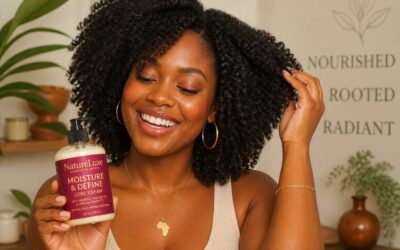
Defining Curls: Gels, Creams, and Oils
Humidity can turn a ripple into a riot, but a careful trio—gels, creams, and oils—keeps curls poised in South Africa’s climate. The right balance defines texture without sacrificing bounce, honoring curls’ natural pattern.
Gels deliver definition with minimal crunch; creams cushion moisture and softness; oils seal shine while reducing frizz. Each category supports curly hair types in a way that respects movement and lift.
- Gels: light hold that guards against humidity without stiffness
- Creams: hydration-rich for smooth, pliable curls
- Oils: sealing moisture and boosting shine
Diffusing vs. Air-Drying for Best Definition
South Africa’s humidity can turn a ripple into a riot, and I’ve learned the diffuser isn’t magic—it’s technique. For me, the right diffusing approach defines the crown.
Diffusing: I tilt curls toward the target, cup with a diffuser, keep heat low and speed slow, finish with a cool blast. It’s not about power, it’s about precision and timing.
Air-drying: For natural lift, apply a light leave-in and a smoothing gel while damp, then let curls air-dry, avoiding touch—works across curly hair types.
- Diffusing: low heat, low speed, cool shot
- Air-drying: apply products while damp, avoid touching, use a soft cloth or cotton T-shirt to encourage curl formation
- Finish: seal with a light oil to counter frizz and boost shine
Heat Styling: Safe Practices for Curly Hair
Humid winds and sunlit pavements meet curly hair types with a crown that begs respect. In South Africa, humidity can rewrite definition in minutes, turning a calm halo into a carnival of texture—proof that heat styling is a craft, not a spectacle.
Heat styling, when treated as ritual rather than power, becomes a safeguard for curl integrity. Temperature is a character that must be gentle, precise, and brief to honor the crown and maintain bounce across curly hair types.
- Tools with even heat distribution and stable settings
- Protective barriers like lightweight serums or leave-ins
- Cool finishing touches to seal shine
These nuances align with diverse textures, inviting readers to explore their hair’s character with confidence and poise.

0 Comments