Understanding Afro Textured Hair: Types, Porosity, and Curl Patterns
Curl type spectrum in afro textured hair (4A–4C)
Across South Africa, pride in natural texture is rising. In urban surveys, seven in ten shoppers with afro curly hair want clearer guidance on textures and care. Stories are changing: clear guidance reduces breakage and boosts confidence. Start with understanding your curl pattern and porosity to fit daily life!
Understanding the curl type spectrum helps you map care for textured hair. The 4A–4C range covers a wide coil landscape, and porosity governs moisture flow. Low-porosity strands hold onto products, while high-porosity hair drinks moisture quickly, and we adjust routines accordingly.
- 4A: soft coils, defined S-patterns, medium width
- 4B: tighter zigzags, sharp bends, noticeable shrinkage
- 4C: very tight curls with minimal definition and high shrinkage
Knowing these nuances informs how the curl spectrum is understood in South Africa.
Porosity and moisture management for afro textures
Across South Africa, seven in ten shoppers with afro curly hair want clearer guidance on textures and care. Understanding curl patterns and porosity helps map how daily life meets texture—where moisture movement and frizz resistance become legible rather than mysterious. Porosity governs moisture flow: low-porosity strands hold onto products; high-porosity hair drinks moisture quickly, and routines shift with the climate and humidity.
- low porosity: slower moisture uptake and longer conditioning needs
- medium porosity: balanced moisture and manageable elasticity
- high porosity: quicker moisture loss and faster drying
This nuanced view honours textured hair as a natural spectrum, inviting care that respects texture as a personal story in daily life.
Common curl patterns and diagnosing your curl type
Across South Africa, seven in ten shoppers with afro curly hair want clearer guidance on textures and care, and I feel that ache every time I walk into a salon queue. Understanding how your curls form reveals a map of daily life—where moisture meets movement and style meets resilience.
Common curl patterns emerge as you observe your strands in light—ringlets, corkscrews, and tight coils offer clues to your curl type.
- ringlets with defined spirals
- corkscrews that tighten when dry
- tight coils that spring back quickly
Diagnosing your curl type helps tailor texture choices and celebrate a natural spectrum of beauty.
How to identify your natural curl pattern
Across South Africa, seven in ten shoppers with afro curly hair want clearer guidance on textures and care. That craving isn’t a nuisance—it’s a map of daily life where moisture meets movement and style meets resilience.
Curls reveal themselves as light hits: ringlets, corkscrews, and tight coils. They hint at your natural rhythm—how each curl holds moisture, stretches, and rebounds after wash and air-dry.
- coil shape and curl definition
- how the strand stretches and springs back
- moisture retention and drying behavior
The spectrum remains the story—no single look defines all afro textures!
Haircare Routines for Afro Textured Hair
Daily moisture strategies and sealing techniques
Curls that glow travel farther than heat and humidity, says a chorus of stylists across South Africa. The secret lies in daily moisture and a mindful seal—the kind of ritual that turns a tumble into a story of resilience. afro curly hair deserves that quiet, steadfast nourishment to keep its bounce through the day.
Moisture strategies weave through the routine like a compass: water-based hydrators gentle on texture, and a sealing touch that holds moisture close. Think of humectants drawing dampness in while natural oils form a velvet shield at the ends. The aim is balance—enough moisture to soften stiffness, enough seal to resist the day’s trials.
To every reader embracing afro curly hair, those daily whispers of moisture invite shine that lasts from dawn to dusk!
Wash day best practices for curly afro hair
Moisture is king on wash day—one stylistic truth echoed across SA salons. For afro curly hair, the plan centers on gentle cleansing, minimal friction, and moisture-first care that respects curl pattern and scalp health. The look? bouncy, defined curls that endure the day’s heat and humidity.
Key principles keep this routine steady:
- Gentle cleansers that skip harsh sulfates
- Scalp-first care with careful detangling
- Humidity-ready seals that lock in softness
They honour texture, minimise breakage, and support shine that travels from dawn to dusk across SA streets and office floors.
Detangling tips: timing, tools, and technique
Detangling is the hinge on which every curl story turns! In SA salons, patience sits on the throne; a Cape Town stylist reminds readers, ‘Detangling is where time and tenderness meet.’ A rough stroke can turn soft coils into a stubborn knot.
For afro curly hair, timing, tools, and technique shape the detangling moment—quiet, unhurried, and kind. Here are the essentials:
- Timing: damp, ready strands
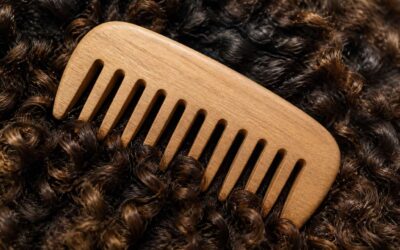
- Tools: wide-tooth comb or detangling brush
- Technique: gentle, ends-to-roots strokes
Sectioning hair into manageable portions keeps the process calm and predictable, a tiny ritual that respects texture while reducing breakage. When the mood shifts to humidity and heat, the right approach preserves shine and curl power from dawn to dusk.
Protective styling options for curl retention
Across South Africa, a recent salon survey finds that seven in ten clients with afro curly hair notice stronger curl retention when protected at night. A calm, moisture-forward routine lets coils breathe and bounce with less friction. Protective styling options are not vanity tricks; they’re quiet guardians of texture.
Here are popular protective styling options that work for curl retention:
- Low-manipulation box braids
- Two-strand twists or flat twists
- Satin-lined wigs or protective ponytails
These choices minimize friction and help afro curly hair dry with definition, especially in humid SA climates. They pair well with a gentle, low-manipulation approach that respects texture and schedule.
Heat styling guidelines for healthy curls
Heat can be your curl’s friend when treated with civility. “Healthy curls don’t thrive in a furnace,” a veteran stylist quipped, and the sentiment sticks like gel to coils. For afro curly hair, the line between definition and damage runs on a careful dial.
In our SA climate, heat tools should deliver even warmth without scorching strands. A layer of heat protection and respectful temperature control help afro curly hair retain bounce while maintaining shine.
Let the diffusion of a gentle breeze rather than a forced gust do the work, and avoid daily sessions in the hot seat. The goal is calm, defined texture that survives humidity swings.
Patience and poise suit textured curls; even heat becomes a partner, not a tyrant, when respect for the curl is mutual.
Styling, Products, and Tools for Curly Hair
Shampoos and cleansers suitable for afro textured hair
Styling begins at the sink, where the right cleanse lays down the texture for the day. For afro curly hair, choose a gentle cleanser that respects curl patterns, leaving coils soft, defined, and ready to move with natural rhythm. Let each rinse feel like a quiet spell.
Products that cleanse should be sulfate-free, pH-balanced, and nourishing. Look for ingredients like glycerin, aloe, and tea tree to soothe the scalp and maintain moisture. Consider the following features:
- Sulfate-free surfactants that gently lift dirt
- pH between 4.5 and 5.5 to protect cuticle
- Hydrating humectants and botanical extracts
Tools like a microfiber towel, wide-tooth comb, and scalp massager help distribute cleanser without snagging the curls. Gentle handling during cleansing reduces breakage and sets the stage for smooth styling, from Cape Town to Limpopo.
Conditioners, leave-ins, and creams that hydrate and define
Styling for afro curly hair is an art of restraint and respect. After cleansing, the real work begins: apply conditioners, leave-ins, and lightweight creams that hydrate and define. A well-moisturized strand holds curl pattern like a well-tailored suit holds a silhouette, and it lets your natural movement shine through rather than fight gravity. Hydration isn’t indulgence—it’s strategy.
Choose products that balance moisture with hold, and look for glycerin, aloe, and shea butter; here’s a quick starter kit for afro curly hair:
- Leave-in conditioners that provide long-lasting hydration without weight
- Curl creams that define curls with a soft, touchable finish
- Lightweight gels or serums to seal in moisture for frizz control
Tools quietly do their part—the microfiber towel, a wide-tooth comb, and satin scarves—ensuring textures are handled with care and gravity remains a friend, not an adversary. For afro curly hair, this styling toolkit helps softness meet definition in quiet harmony.
Oils vs butters: selecting the right moisturizers
Moisture is the quiet engine behind every curl’s spell, and in afro curly hair the right moisturizer is a compass guiding movement over stiffness. Oils offer slip and rapid absorption, while butters seal hydration in a luxuriously protective layer—each with a role in shaping the curl’s arc without damping its bounce. The choice hinges on texture and porosity, and on the mood you want the strand to express: radiant gloss or velvet hold.
- Oils: lightweight, quick-drying, ideal for shine and frizz control
- Butters: richer and more occlusive, providing long-lasting moisture for drier curls
- Both textures can complement each other in a balanced moisturizing approach
Tools like a microfiber towel, wide-tooth comb, and satin scarf quietly support a calm, gravity-friendly finish for afro curly hair, keeping texture soft yet defined as you explore these moisturizing choices.
Tools and techniques for defined, frizz-free curls
“Texture is a rhythm, not a rule,” quips a veteran stylist, and that rhythm sings for afro curly hair in South Africa’s heat. The aim isn’t stiffness but movement—define every curl, honor its bend, and let shine ride its natural arc.
- Diffuser on low heat for gentle drying
- Microfiber towel to blot, not rub
- Satin scarf for overnight setting
Start with the right products to keep curls defined and frizz-free. A lightweight gel or curl cream is your ally, providing hold without the crunch.
Techniques like rake-and-scrunch, plop, and careful diffusion turn texture into a clean, defined line rather than a puff of chaos. afro curly hair thrives when styling invites movement and minimizes friction.
DIY and affordable product alternatives for curly hair
Humidity in South Africa can turn a good look into a frizz-filled battle, especially for afro curly hair. Styling isn’t about locking every curl; it’s about letting each bend breathe and shine ride its arc!
Start with light products—gel or curl cream with low hold. Apply to damp hair and layer gently to encourage movement over stiffness. The goal is definition with softness, for hair that glows loose or styled.
- Flaxseed gel (homemade or affordable)
- Aloe vera gel (fragrance-free)
- Lightweight curl mousse or cream for flexible hold
Tools matter more than you think: blot with a microfiber towel, wrap with a satin scarf overnight, and use a low-heat diffuser for gentle drying if needed for afro curly hair.
Troubleshooting and Growth Tips for Curly Hair
Common issues: shrinkage, frizz, and breakage management
Under the South African sun, afro curly hair reveals a stubborn truth: shrinkage is not a flaw, but bounce in disguise. In many urban communities, up to 70% report noticeable shrinkage by afternoon, a sign of living texture rather than imperfection. This realization lands with a whispered power!
Frizz appears with humidity and overhandling. When it shows up, listen to the curl’s inner dialogue—frustration fades when moisture needs are honoured and restraint is chosen. Breakage speaks softly of tired ends; respond with gentleness and quiet consistency.
- Embrace texture over perfection; resilience grows where care meets character.
- Let moisture be a steady companion—overload dulls the curl’s natural signal.
- Interpret shrinkage as a reminder of inner strength rather than a setback.
Growth is routine, not revolution; climate becomes a teacher in every strand.
Nighttime routines to preserve curl pattern and moisture
Under the hush of South African nights, the city sighs and afro curly hair answers with a velvet ripple. Across urban pockets, nearly seven in ten curl wearers wake to a dawn where patterns shift with the humidity’s memory.
Troubleshooting becomes a nocturnal dialogue: when coils slump or a whisper of frizz lingers, the curl responds to a balance of moisture and restraint, not force. I listen for the curl’s quiet dialogue and let time soften the edges rather than coax through friction.
Growth is a slow, ceremonial tide. The night offers continuity—soft fabrics, steady moisture, and morning-ready shine that returns with gentle resolve. For afro curly hair, patience is a predictor of pattern, a quiet pact between breath and strand.
Night becomes a tutor; climate, light, and lullaby winds teach the curl to remember its memory. The morning chorus welcomes a restored, resilient silhouette.
Scalp care and dandruff management for textured hair
Scalp health is the quiet engine behind afro curly hair. Nearly four in ten afro curly hair wearers notice dandruff shifting with humidity—a weather report you can’t ignore! Troubleshooting becomes a nocturnal dialogue: flakes and itch signal a mismatch between moisture and cleansing, not a defect in the curl’s character. The goal is a calm scalp that lets oils and strands cooperate rather than collide.
Growth tips arrive with patience, not fireworks. A gentle, scalp-friendly rhythm—soft handling, minimal friction, breathable fabrics—helps curls remember their memory. When the scalp stabilizes, afro curly hair patterns soften into more resilient silhouettes, and mornings bring steadier shine and confidence.
Hair growth strategies: retention, trims, and protective steps
Growth for afro curly hair is a quiet suspense thriller—retention, trims, and protective steps stage the plot. In textured crowns, every pinch of moisture and every careful snip nudges length toward memory. I’ve watched how steady maintenance turns frizz into resilience, how a calm scalp partners with each curve and coil.
Retention is the hero: the fewer times strands are cut and the more moisture is kept, the longer the chapters last. Down here in SA, climate tunes how moisture behaves, so trims and protective steps take on extra weight. Light, thoughtful trims remove split edges rather than whole stories, preserving texture. Protective steps—gentle handling, low-friction fabrics, and nightly guards—help curls hold their shape through morning light.
- Minimise daily manipulation to protect retention
- Choose trims that refine ends without sacrificing length
- Adopt protective steps that reduce friction and breakage
Transitioning from straight to natural curls
Across South Africa, about 68% of those transitioning from straight styles report moisture battles in the first three months, a creeping tension that tests resolve. For afro curly hair, troubleshooting becomes a study in listening—watching how the crown drinks and how the coils learn to keep their weather intact.
- Frizz whispers of dryness signal a moisture lull, not a failure.
- Texture shifts reveal growth; patience writes the pattern in every curl.
- Gentle handling and low-friction fabrics cradle the scalp and memory.
From this haunted quiet, transitioning from straight to natural curls becomes a vow: resilience grows where moisture and memory meet, and every day a little longer chapter in the saga.


0 Comments