Understanding Hair Texture: Curly vs Wavy Differences
What defines a curl pattern
“Texture is poetry,” says a veteran Cape Town stylist, and every curl writes its own line. In the mirror, strands sketch a spectrum—from languid waves to tight corkscrews—and the rise of texture begins to sing, not as a flaw, but as a signature.
Curl pattern is defined by the follicle’s shape, elasticity, and how the cuticle lays. Loose waves drift with gravity; tighter spirals resist, coil, and spring back. Understanding the curly hair and wavy hair difference helps tailor care to match your texture’s mood.
Three quick cues help map texture:
- Curl tightness and diameter—loose waves to tight coils
- Shrinkage and length—how much strand shortens when dry
- Humidity response—patterning and frizz behavior
In South Africa, salons celebrate this nuance as a design language, empowering texture to lead style rather than constrain it.
Common classification systems
‘Texture is the real signature,’ a veteran Cape Town stylist whispers, and in South Africa that signature informs every cut and product choice. Understanding the curly hair and wavy hair difference helps shift the focus from labels to the texture that moves with your day-to-day life. Classification systems sketch a map, not a verdict, guiding how we describe the curl spectrum—from gentle waves to bold spirals.
Common classification systems anchor conversations about texture. The classic Andre Walker framework places hair on a 2-to-4 scale, while others expand into pattern-based groupings that distinguish loose waves, defined curls, and tight coils.
- Andre Walker Hair Typing: Type 2 (waves) through Type 4 (coils)
- Pattern-based grids that separate wave, curl, and coil tendencies
In South Africa, this language empowers stylists and clients to celebrate individuality rather than chase a sameness. The aim is to reflect texture as design, not as a problem to fix.
Differentiating curls from waves
In South Africa’s climate, curls and waves don’t just look pretty—they narrate your day. The texture you wake with isn’t a verdict; it’s a living signature that shifts with sun, wind, and the damp Durban humidity. This is the curly hair and wavy hair difference you actually feel—the bounce, shrinkage, and light reflection.
Where one texture coils tightly, the other drifts into carefree waves. Differentiating curls from waves comes down to shape retention, moisture response, and how they react to styling tools. The practical result? Different product philosophies and drying choices that fit your day.
- Engagement with moisture and humidity
- Product texture you reach for
- Heat and styling tolerance
- Maintenance rhythm and frizz behavior
Classifications are maps, not verdicts: they guide you to celebrate individuality, not chase sameness. In Cape Town salons and across SA, texture becomes design—your hair’s personality shining through every cut and product choice.
How to map your own pattern at home
Texture wears the weather on your crown, and in South Africa it speaks louder with every breeze and beam of sun. Understanding curly hair and wavy hair difference reveals a living signature your day writes on your crown.
At home, the way each strand behaves after washing emerges—some coils tighten into a neat spiral while others form gentle ripples that catch the light. The map lives in moisture, in damp Durban air, and in the way hair refracts memory of the day’s humidity.
Differences in Hair Follicle Shape and Structure
Follicle shape and curl formation
The root holds the secret—the curl’s syllabus begins there. In plain terms, the curly hair and wavy hair difference begins at the follicle level. A small twist of the hair follicle dictates how tightly strands coil as they grow, shaping everything you see at the crown.
Follicles come in shapes; those that are more oval or crescent-shaped produce tighter coils, while flatter, asymmetrical follicles yield looser waves. The angle at which the hair emerges from the scalp seals the deal; a steeper angle tends toward curl, a gentler tilt toward wave.
- Oval follicles tend to produce curlier textures
- Flattened follicles encourage looser waves
- Angle of emergence influences curl direction
Together, follicle shape and curl formation craft the spectrum you see of curly hair and wavy hair difference. In South Africa, this biology informs how stylists talk about texture with confidence and nuance.
Cross-section of the hair shaft
Root-level biology holds the key to the curly hair and wavy hair difference. When follicles twist, the emerging hair tilts and coils in tune with the scalp, shaping volume from the root up. In South Africa, stylists speak texture with confidence, mapping growth patterns to style choices—curly hair and wavy hair difference becomes practical, not mystical.
Looking at the cross-section of the hair shaft, the inner geometry matters. Round cross-sections tend to yield smoother strands, while oval or flattened profiles push toward curl. The cortex’s density and the cuticle’s overlap influence texture, strength, and how light reflects off each strand.
- Oval or flattened shapes often drive curlier textures
- Round shapes align with looser waves or straighter hair
- Keratin arrangement and cuticle mapping affect shine and grip
These microscopic differences echo in how hair behaves and in the manner stylists discuss texture with confidence.
Role of sebum and moisture in texture
In the theatre of the scalp, follicle shape writes the opening act of texture. The curl begins before a strand leaves the root, and that tiny geometry helps define curly hair and wavy hair difference you see in mirrors.
Sebum and moisture move along this architecture differently. Curly textures often trap hydration unevenly, producing shine that comes and goes and more pronounced frizz, while looser waves drink up moisture with gentler bounce and memory.
South Africa’s climate—with its sun, humidity, and dry spells—throws these dynamics into sharp relief. I’ve seen cuticle alignment and porosity become practical clues for daily styling.
- follicle geometry and curl bias
- sebum distribution along the shaft and moisture retention
- cuticle overlap and porosity shaping shine and grip
This root-to-tip grammar helps explain why textures reveal such distinct personalities, guiding readers toward a language of care that respects individuality rather than chasing a single standard.
How genetics influence texture
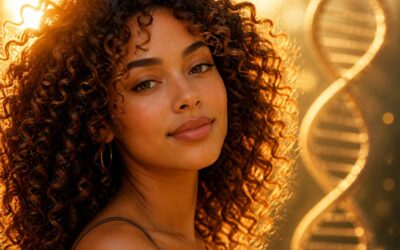
Three out of five South Africans with textured hair report humidity shifts texture on contact. The root of that shift is the follicle. Genetics script a shape that guides how a strand grows, and that initial geometry whispers the curl bias you notice in the mirror. This is the curly hair and wavy hair difference in action!
Key structural traits that genetics tune include the following:
- Follicle cross-section: oval tips toward curl, round leans to wave.
- Emergence angle: steep angles foster tight coils; gentle angles yield looser texture.
- Keratin alignment and cuticle overlap: how tightly the shaft grips moisture and reflects light.
That framework grounds a language of care that respects individuality rather than chasing a single standard. Texture emerges from root to tip, not from a styling product alone.
Caring for Curly and Wavy Hair: Routine and Products
Cleansing and conditioning strategies
Texture tells a story, and the right routine writes the ending. In South Africa’s climate, nearly 70% of people with curly hair and wavy hair difference report moisture loss that invites frizz. The goal—a gentle, moisture-rich routine that honors movement rather than fighting it. Yes, it works!
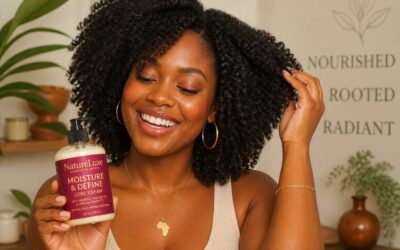
Cleanse and condition with intention. For curly hair and wavy hair difference, moisture retention, humectants, and light hold matter most. Consider these product categories as anchors in the routine:
- Sulfate-free cleansers that protect the scalp’s natural oils
- Conditioners loaded with humectants and emollients
- Lightweight leave-in blends to seal moisture without weigh-down
- Flexible gels for definition without stiffness
Understanding the curly hair and wavy hair difference helps tailor cleansing and conditioning routines to South Africa’s varied humidity and busy lifestyles. This alignment keeps texture vibrant through every season.
Styling techniques for definition
Across South Africa, nearly 70% report moisture loss that invites frizz. That reality is a siren song to intention: the curly hair and wavy hair difference isn’t a verdict but a cue to tailor care that honors movement and keeps texture lively, not quashed.
Routine and products hinge on moisture retention, humectants, and light hold. Lean into sulfate-free cleansers, conditioners rich in humectants, and lightweight leave-ins, finishing with a flexible gel to define without stiffness. The goal is definition that breathes with you.
- Finger-coiling for targeted definition without crunch
- Scrunch-drying with a low-heat diffuser to encourage lift
- Layering a lightweight leave-in under a flexible gel for movement
Choosing products by texture
Across South Africa, heat and humidity mingle with every strand, and nearly 70% report moisture loss that invites frizz. The curly hair and wavy hair difference isn’t a verdict but a living cue—a signal to tailor care so movement stays liberated and texture remains vivid.
- Sulfate-free cleanser for gentle cleansing
- Humectant-rich conditioner to seal moisture
- Lightweight leave-in for breathable layering
- Flexible gel for movable definition
Choosing products by texture keeps routines honest to your pattern. The texture-driven landscape of care in South Africa embraces light, breathable formulas that respect the spring of your curls and the bounce of your waves.
Detangling best practices
Texture talks back in the mirror, and your routine should listen. The curly hair and wavy hair difference isn’t a verdict; it’s a map to kinder detangling and looser fizz. A simple rhythm—damp strands, slip, and mindful sections—keeps movement alive and shine honest.
Detangling is the hinge of a great routine. Use these best practices to preserve curl integrity without drama:
- Work in small sections while hair is damp and full of slip
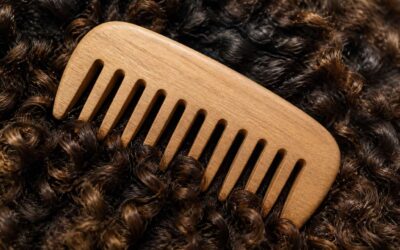
- Choose a wide-tooth comb or your trusted fingers, starting at the ends
- Detangle gently and patiently; back off if a knot balks, then resume
Finish with a lightweight leave-in for breathable definition, and consider a satin pillowcase to reduce friction overnight. A moisture-smart approach respects humidity and gives curls and waves room to move—sparkling, resilient, and ready for daily South African life.
Heat styling considerations and protection
Humidity is a temperamental critic, and in South Africa it can turn a morning routine into a weather report. The art of heat styling lies not in conquest but restraint—respect the hair’s memory, and the glassy shine that follows will answer with life!
Routine and products hinge on listening to the curl. The curly hair and wavy hair difference guides how weights, textures, and ingredients behave under heat, so lightweight formulations become allies. A short, measured arsenal includes a leave-in, a heat protectant, and a satin accessory to cradle strands.
- Heat protectants that form a breathable shield
- Lightweight leave-ins for slip and moisture
- Satin pillowcases or bonnets to reduce friction
Equipment matters—ceramic plates, diffusers, and air-drying as a philosophy rather than a betrayal to style; climate-aware routines adapt to Cape Town humidity and inland dryness alike. This is where routine and products meet—an alliance that respects texture and gives curls and waves room to breathe.
Common Challenges and Texture-Specific Solutions
Frizz management for different textures
Texture isn’t just appearance—it’s a weather system for your strands. The curly hair and wavy hair difference reveals itself the moment humidity swells: strands cling, luster softens, and frizz writes itself into every curve. Here in South Africa, moisture isn’t the foe; it’s a force to be understood and harmonized with—let it talk! The hair spirits murmur moisture’s secrets.
Common challenges vary by texture in humid weather. The textures respond differently:
- Fine textures: sensitive to humidity, showing flyaways around the crown.
- Medium textures: balanced bounce but prone to halo frizz along the hairline.
- Coarse textures: frizz can intensify and curl pattern shifts in damp air.
These observations keep the narrative cohesive, guiding readers to appreciate the texture cues without fixating on a flawless finish.
Maintaining curl pattern throughout the day
South Africa’s muggy days rewrite the rules of hair. In the curly hair and wavy hair difference, humidity swells strands, luster softens, and frizz writes itself into every curve—an atmospheric mystery that keeps us on our toes.
Common challenges shift with texture in humid weather. Here’s what to watch for:
- Fine textures: crown flyaways and moisture sensitivity.
- Medium textures: halo frizz along the hairline and uneven shine.
- Coarse textures: frizz growth and shifts in curl pattern in damp air.
Texture-specific solutions favor balance and restraint, letting curl patterns stay intact without stiffness. Fine textures benefit from light formulations that retain lift; medium textures need balanced definition at the crown; coarse textures rely on a moisture barrier to protect the pattern.
Protecting curls while sleeping
Humidity is the night editor in South Africa, swelling strands as we drift off and turning calm definitions into a weather report. Common challenges surface when curls ride the damp air: patterns shift, shine softens, and the curve you thought you knew becomes a changing silhouette.
Understanding the curly hair and wavy hair difference helps tailor this night regimen. Texture-specific solutions favour balance and restraint to preserve the curl without stiffness. For fine textures, featherweight formulations keep lift; medium textures benefit from balanced definition at the crown; coarse textures rely on a moisture barrier to guard the pattern.
Protecting curls while sleeping is a quiet act of care that respects texture. A night that honours the pattern leaves you waking to a softer, more defined silhouette that still tells the story of your curl.
Transitioning from straight to curly textures
“Humidity writes its own weather report on your hair,” one stylist quipped, and in South Africa that forecast is a daily test. The curly hair and wavy hair difference becomes the lens through which we approach the transition from straight to expressive spirals.
- Pattern shifts in damp air can loosen or exaggerate curl formation.
- Frizz blooms at the crown where weight and moisture clash.
- Roots may flatten after a night of restless tossing.
Understanding these common challenges helps you frame a transition that feels intentional rather than reactive.
- Fine textures benefit from featherweight formulations to preserve lift without weighing hair down.
- Medium textures respond to balanced definition, especially around the crown, for a natural bounce.
- Coarse textures crave a moisture barrier that protects the pattern while keeping it flexible.

0 Comments