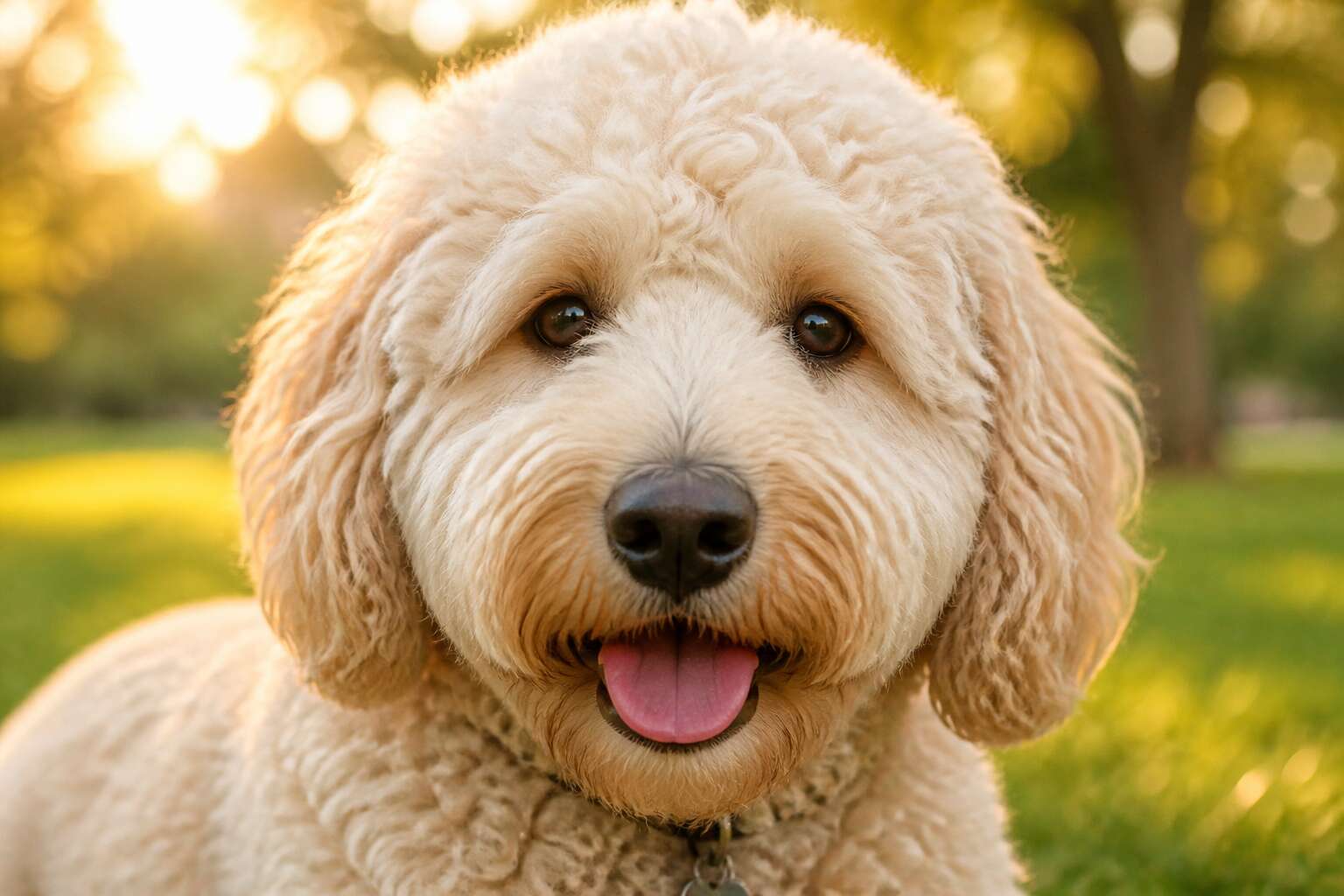
Understanding Curly-Coated Dog Breeds
What Makes a Coat Curly?
Curly hair dogs are a study in contrast. The follicle shape determines everything. Straight hair grows from round roots; curly hair emerges from oval or kidney shaped roots that bend as they grow. This bending produces the distinctive spirals of Poodles and Portuguese Water Dogs. Their coats do not shed like straight haired breeds, which creates a false impression.
- Loose waves, seen in the Lagotto Romagnolo.
- Tight ringlets, typical of the Bichon Frise.
- Dense corkscrews, the signature of the Poodle.
The maintenance burden is real! Curly hair dogs need daily brushing to prevent mats. In South Africa’s warm climate, their thick undercoats trap heat. The same curl that makes them adorable also traps grass seeds and burrs. Owners must inspect these coats after every outdoor excursion. The haughty elegance of a well groomed curly coat comes at a cost.
Popular Breeds with Curly Coats
Few breeds test an owner’s devotion like curly hair dogs. In South Africa, the Lagotto Romagnolo’s dense woolly coat excels at truffle hunting, while the Bichon Frise offers a softer, hypoallergenic curl that needs daily combing.
- Poodle: intelligent and eager to please
- Portuguese Water Dog: robust and athletic
- Kerry Blue Terrier: loyal and spirited
Each curl pattern affects matting and grooming frequency. Heat requires owners to monitor for skin infections under those tight spirals. Understanding these traits ensures a happy companion.
The Genetics Behind Curly Fur
A single gene mutation, KRT71, explains why curly hair dogs look permanently windblown. This gene alters keratin structure, forcing each follicle to bend at an angle. The result is a corkscrew shape that affects shedding and heat loss.
In South Africa’s climate, this genetic quirk has practical consequences. While those tight spirals rarely shed, they can trap grass seeds and pollen. I have seen a Lagotto return from a bushveld walk with three burrs embedded in its thicket.
When this gene expresses fully, owners can predict certain patterns:
- Less dander floating around the lounge.
- A collar that attracts more debris.
- Salon visits aligning with seasonal coat cycles.
The genetics also dictate undercoat density, which controls how much air reaches the skin. A sparse undercoat means better airflow, while a dense one demands more vigilant brushing. Understanding this biological blueprint helps South African owners manage grooming before the summer heat raises the risk of skin irritation.
Benefits of a Curly Coat
Curly hair dogs carry an unwritten dress code. Their spirals demand attention, yet they repay the owner with remarkable convenience. For South African households, the benefits are tangible. A tight curl rarely leaves its mark on the sofa. It holds dirt close to the surface, so a swift brush reveals exactly where the walk went wrong. No hidden tangles, no surprises at bath time.
Consider the practical side:
- Curly coats trap less airborne pollen than straight fur.
- They dry quickly after an afternoon shower.
- They offer natural insulation against both heat and cold.
That last point matters in Cape Town’s variable climate. Curly hair dogs adjust to the seasons with minimal fuss, though the summer coat still requires a professional hand.
Grooming Essentials for Wavy and Curly Coats
Brushing Techniques for Tight Curls
For curly hair dogs, the grooming routine is where coat health is won or lost. Tight curls trap oils and dirt, so brushing requires patience and the right approach. I have found that starting with a detangling spray makes the process smoother.
Use a slicker brush to work through the dense undercoat, then finish with a metal comb. Always section the hair to avoid pulling.
- Brush in small, upward strokes to lift tangles
- Do not tug; gently separate mats with your fingers
This method reduces stress for the animal and keeps the curls defined. Regular attention prevents painful knots.
Bathing and Drying Best Practices
Curly hair dogs demand a specific bathing ritual. The coiled cuticle traps moisture, so a sulphate-free cleanser is essential. I dilute the shampoo to prevent residue build-up. Rinse thoroughly, twice, because leftover soap causes irritation and flattens the curl pattern. Pat the coat with a microfibre towel; never rub, as friction creates frizz. Apply a leave-in conditioner while the hair remains damp.
Drying demands patience. A high velocity dryer on cool works best. Hold the nozzle at an angle to avoid blasting the curls into a mess. Use a comb attachment to stretch each ringlet. Here is the sequence I follow:
- Blot excess water first
- Pre-dry the undercoat at low heat
- Finish with a cool shot to set curls
Wavy coats need less product, but the same careful hand. Curly hair dogs benefit from a final spritz of hydrating mist.
Preventing Mats and Tangles
In South Africa’s unpredictable climate, curly hair dogs face a constant battle against tangles. The very coils that make them charming also trap dust and debris, creating mats overnight. I learned this while grooming a neighbour’s poodle after a windy Highveld afternoon. Prevention starts with understanding the curl’s architecture, not just the tools.
- Detangling spray with aloe for slip
- A wide tooth comb for working sections
- Butter comb for finishing the edges
Mats form where friction meets moisture, particularly behind the ears and under the collar. For curly hair dogs, the undercoat is the culprit. It sheds silently and knots against the outer curl. I use a slicker brush only on the surface, then switch to the wide tooth comb for deeper passes. The secret lies in sectioning the coat into manageable panels, misting each one lightly before combing. This preserves the curl pattern while stopping tangles before they escalate.
Professional Grooming Frequency
In Gauteng, a professional groomer books a curly hair dog every fifteen minutes, and half of those visits are emergency detangle operations. The right tools for wavy and curly coats differ from the slicker brushes used on straight fur.
For wavy coats, a pin brush and a fine tooth comb suffice between visits. Curly coats demand an undercoat rake and a curved shear for sanitary trims. Professional grooming frequency depends on the curl density. Wavy coats need a professional session every eight weeks; tight curls need one every four to six weeks, especially during Highveld winters.
- Pin brush for wavy coats
- Undercoat rake for dense curls
- Curved shears for paw pads and ears
Skipping professional appointments saves money until the coat felts into a solid mass. Then the groomer charges double and the dog ends up shaved down to the skin. Book ahead, because every curly hair dog owner in Cape Town has the same calendar reminder.
Recommended Tools and Products
A groomer’s table tells the truth about a coat’s history. For wavy coats, a pin brush with rounded tips and a fine tooth comb handle weekly upkeep without stripping the natural oil. Curly hair dogs require the undercoat rake, which reaches the dense underlayer that slicker brushes glide over.
- Stainless steel undercoat rake for tight curls
- Curved shears for paw pads and ears
- Detangling spray with glycerin and aloe vera
Products matter as much as tools. A leave in conditioner reduces friction during post-rain walks in Johannesburg. Professional shears cost more, yet a blunt blade pulls the hair instead of cutting it, creating the very mats you want to avoid. Demand for these grooming items spikes in autumn. Curly hair dogs in coastal towns need extra moisture during those months.
Health and Nutrition for Curly-Coated Companions
Skin Sensitivities and Allergies
A curly coat hides the skin beneath it, which is why owners often miss early allergy signs. Redness, flaking, or a dull coat usually point to a trigger in food or the environment. Curly hair dogs trap pollen and dust against the epidermis because their dense follicles hold particles longer, prolonging irritation.
Nutrition helps manage these sensitivities. Omega-3 fatty acids from fish oil reduce inflammation at the skin barrier. Many South African owners switch to novel proteins like venison when chicken or beef causes flare-ups. I have seen this make a real difference within weeks. Seasonal pollen is intense here, so expect scratching after walks.
Common signs of an allergic response:
- Recurring ear redness
- Hot spots along the spine
- Excessive paw licking after meals
A vet can run targeted tests to identify the culprit. The right diet and consistent skin checks keep curly hair dogs comfortable.
Dietary Needs for Coat Health
Keratin makes up roughly 95% of every hair shaft. For curly hair dogs, that protein comes from the bowl. Diets packed with low quality fillers leave the coat brittle, and tight curls lose their shape.
Animal protein forms the base. South African owners have solid options: lamb, ostrich, and venison. These game meats supply the amino acids needed for keratin. Add fat for the skin barrier. Omega-3 from sardine or linefish oil keeps follicles flexible.
Certain nutrients deserve attention:
- Zinc supports hair follicle repair.
- Biotin strengthens the hair shaft.
- Vitamin E shields the coat from oxidative stress.
Curly hair dogs benefit from organ meats too. Liver and kidney deliver trace minerals that commercial supplements miss. I have seen dull coats turn glossy within a month after adding them. A persistent dry texture means the current diet still lacks a key nutrient.
Common Ear and Skin Issues
Curly hair dogs are a paradox. Their coils shield them from sun and wind, yet those same tight loops trap moisture against the skin. The ear canal, covered by dense curls, becomes a warm environment where yeast and bacteria multiply unchecked. A sour smell from the ears is often the first signal. Skin problems develop silently beneath the coat, where heat and humidity create inflammation. Curly hair dogs frequently suffer from a condition called pyoderma, which surfaces as red bumps under the fur. The right response requires regular inspection, which many owners neglect.
Here are the main threats:
- Otitis externa from trapped debris
- Fungal overgrowth in the ear fold
- Interdigital cysts between the paw pads
Each condition hides behind the curls until discomfort turns obvious. Owners who part the fur and check the base can catch problems early. The ears of curly hair dogs need a weekly wipe with a drying solution to prevent infection before it starts.
Regular Check-Up Schedules
South African veterinary practices observe that curly hair dogs frequently present for emergency consultations when a routine schedule would have prevented the crisis. The metabolic cost of maintaining a dense, coiled coat is considerable, and it deserves a nutritional strategy that matches the breed’s physiology.
A diet rich in omega fatty acids supports the skin barrier, while biotin and zinc contribute to follicle strength. In my experience, meal timing and portion control matter just as much as ingredients! Monthly weigh-ins catch subtle shifts before they become obesity or muscle loss.
For adult curly hair dogs, a practical check-up rhythm includes:
- Monthly at-home weight and coat condition assessment
- Biannual faecal analysis for intestinal parasites
- Annual blood work to evaluate thyroid and kidney function
South Africa’s seasonal transitions, particularly the change from dry winters to humid summers, alter dietary absorption and hydration needs. Veterinary consultations timed before these shifts align feeding plans with environmental demands.
Lifestyle and Training Tips
Exercise Requirements
Curly hair dogs often carry working lineages that shape their behaviour. A Poodle’s retrieving history or a Spanish Water Dog’s herding instincts demand purposeful activity. Without structured outlets, these intelligent animals invent their own entertainment, usually at the expense of your garden.
From my experience, training sessions for curly hair dogs should be brisk and varied. They respond to challenges, so keep commands fresh. Routine bores them.
Exercise needs differ by breed, but most require:
- At least two daily walks with off-lead time in safe spaces
- Swimming or water play, which many curly breeds adore
- Short obedience or trick sessions to burn mental energy
In South Africa’s heat, schedule vigorous exercise for early morning or evening. Pavement burns paws quickly in summer. Watch for signs of overheating, especially in denser coats.
Socialization and Behavior
Curly hair dogs possess an uncanny ability to read a room, a trait honed through centuries of working beside humans. Their social calibration, however, requires deliberate cultivation. A Poodle that misses early exposure to strangers may develop a discerning aloofness, while a Lagotto Romagnolo without proper introductions might channel its truffle-hunting focus into suspicious scrutiny.
In South African households, where braais and gatherings are frequent, early socialization is non-negotiable. The goal is not mere tolerance, but genuine comfort in varied company.
Key socialization priorities for curly hair dogs:
– Exposure to different human ages, from toddlers to elders
– Familiarity with other dogs in controlled settings
– Acclimation to urban sounds, from traffic to thunder
– Positive encounters with grooming tools and handling
Behavioural quirks, such as the Kerry Blue Terrier’s stubborn streak, respond best to calm, consistent boundaries.
Training Approaches for Intelligent Curly Breeds
Training a curly haired dog is less about repetition and more about conversation. These breeds were developed to think independently, often making decisions out of sight of their handlers. A Lagotto Romagnolo sniffing out truffles or a Poodle retrieving from icy water had to solve problems on the fly. Bring that same problem solving into your home training sessions.
Instead of drilling the same command until your dog switches off, break the exercise into small, interesting steps. Let your dog offer behaviours and reward the ones you like. This builds a thinking partner rather than a robotic performer. The Kerry Blue Terrier, in particular, responds to work that feels like a game, and a bored curly haired dog will simply invent its own entertainment, often involving your garden beds.
A few guiding principles keep sessions productive:
- Keep training bouts short, around five minutes, and end on a small victory
- Vary the location, from the living room to a quiet park, so responses generalise
- Use a marker word or a clicker to pinpoint the exact moment your dog gets it right
South African summers call for early morning sessions before the heat builds. That cool, quiet hour is when these sharp breeds show their best focus. They want to work with you, not for you, so treat each session as a shared project. The bond you build through this kind of training will carry you both through many long, happy years together.
Adapting to Family Life
Living with curly hair dogs in a South African home means rethinking space and routine. These breeds thrive on proximity, so set up a quiet corner where the dog can observe family activity without being underfoot. The Lagotto, for example, will settle near the dinner table but expects a clear signal when play begins.
- Assign one family member to lead each training session
- Rotate feeding duties to build trust
- Create a consistent bedtime ritual
Families with young children should teach calm greetings early. Curly hair dogs read body language swiftly, and a toddler’s erratic movements can trigger herding instincts in breeds like the Portuguese Water Dog. Structure the day with predictable mealtimes and rest periods, and these dogs adapt with remarkable ease.
Choosing the Right Curly-Coated Dog for You
Matching Energy Levels to Your Home
Selecting a companion among curly hair dogs requires an honest appraisal of your living space. A Cape Town apartment with a small balcony suits a low-energy Bichon Frise, while a Durban property with a sprawling garden may better accommodate a Standard Poodle’s exuberance.
Your daily rhythm inside the home matters equally. Breeds like the Lagotto Romagnolo possess working-dog drive that surfaces as restlessness when confined to compact interiors. Curly hair dogs with high prey or work drives demand households that can absorb their energy without friction.
Match your lifestyle to the breed’s innate disposition, and I apply this exercise when consulting owners across Pretoria and Bloemfontein.
- Busy, sociable homes suit retrievers or water dogs that thrive on constant interaction
- Quiet, single-occupant dwellings favour smaller curly breeds content with limited company
Observe how the dog responds to your space. Energy alignment prevents future discord between pet and household.
Allergies and Hypoallergenic Claims
Allergy sufferers eyeing curly hair dogs often hear the same seductive promise: no sneezing. The truth is more complicated. Hypoallergenic is a marketing term, not a biological guarantee. A Standard Poodle may shed less, but it still produces dander and saliva, the actual culprits behind allergic reactions.
Your immune system cares little for curl patterns. Individual allergen production varies from dog to dog. I once met a Lagotto in Johannesburg that sent a client for antihistamines, while its sibling caused nothing. Your response to a specific canine offers the only reliable test.
- Individual allergen production varies wildly.
- Adult dogs often produce less dander than puppies.
- Grooming frequency changes allergen exposure.
Curly hair dogs demand consistent grooming to control loose hair and dander. That is part of the bargain. If you assume a curly coat equals allergy immunity, disappointment follows. The choice should rest on your measured reaction, not on the label.
Grooming Commitment
The grooming commitment for curly hair dogs is substantial. A tight curl pattern collects debris and traps moisture in its folds. Owners of breeds like the Poodle or Portuguese Water Dog learn quickly that a skipped brushing session becomes tomorrow’s mat. Each knot pulls at the skin as it tightens, and removal requires patience and a steady hand.
Selecting your companion demands an honest schedule review. Brushing, combing, and occasional clipping consume an hour or more each week. Professional grooming adds a financial layer that many overlook until the first bill arrives. The routine itself shapes the relationship, for better or worse.
Some households thrive on this daily attention. Others find it overwhelming. The coat asks for consistent care, and in return offers a bond built on touch and trust. Your willingness to meet that demand determines whether curly hair dogs bring joy or frustration to your home.
Adoption vs. Breeders
Nearly 40% of dogs surrendered to South African shelters are curly hair dogs, many because their coats became unmanageable. That statistic frames your choice between adoption and breeders. Shelters offer second chances, though a rescue’s history may remain incomplete. Breeders provide documented lineage and health certifications, but responsible breeding costs run high.
Use this list to weigh priorities:
- Adoption: lower initial fees, adult temperament visible, mixed breeds often have sturdier health
- Breeders: predictable coat growth, early socialisation, access to the puppy’s parents
Your capacity for veterinary bills and grooming schedules matters more than a dog’s origin. Both routes shape curly hair dogs into devoted companions when the household prepares properly.
Financial Considerations
In South Africa, grooming curly hair dogs costs between R350 and R700 per visit, and those visits recur every four to six weeks. Food expenses climb as well, because high-quality protein and omega supplements keep that dense coat from turning into a matted disaster. Ear infections and skin allergies, both common in these breeds, generate repeat vet visits that drain savings quickly.
Here are the financial realities to weigh:
- Professional grooming every four to six weeks
- Premium food and coat supplements
- Pet insurance or an emergency fund for chronic conditions
These dogs bring charm and loyalty, but the price tag follows you for a decade or more. Budget honestly, and both you and your new companion will stay comfortable.
Long-Term Care Responsibilities
Owning curly hair dogs in South Africa means accepting a decade of daily upkeep and warm weather skin vigilance. I have watched families fall for the curls and ignore the temperament, only to surrender the dog later. The right choice begins with an honest look at your routines. A working breed like the Lagotto Romagnolo needs mental challenges that a sedentary home cannot provide. A companion bred Poodle may adapt, but only with structured exercise daily.
Long term care responsibilities include monitoring ear flaps for moisture, trimming fur between paw pads, and catching skin irritation before it spreads. These tasks are relentless! You will perform them when tired, when busy, and when the novelty fades.
- Assess your weekly schedule for 30 minutes of daily coat work
- Arrange for a backup caregiver who understands curly hair dogs
- Prepare for seasonal shifts in grooming needs
Visit breeders without an appointment. Watch how the dogs react to unexpected noise. Ask about the health history of the parents, ask again.


0 Comments